Books
I like reading books. You can follow me on Goodreads for the full list that I still need to update. Here is a small selection of books that have helped change my thinking about the world of work.
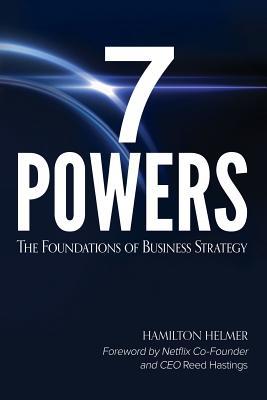
7 Powers: The Foundations of Business Strategy
Hamilton Helmer
A concise framework identifying seven sources of durable competitive advantage. Helmer distills decades of strategy work into a practical toolkit for entrepreneurs and leaders trying to build businesses that last.
From Followers to Leaders
Naushad Forbes & David Wield
How firms in developing nations can innovate by learning from diverse experiences across industries. Forbes and Wield show that leading edges appear in the most unlikely places, with case studies spanning twelve countries and five continents.
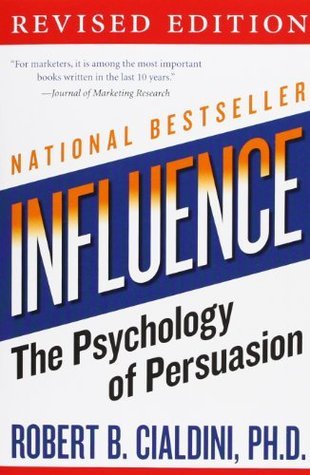
Influence: The Psychology of Persuasion
Robert B. Cialdini
The classic on why people say yes. Cialdini lays out six principles of persuasion backed by decades of research. Essential reading for anyone who wants to understand the psychological shortcuts driving human decisions.
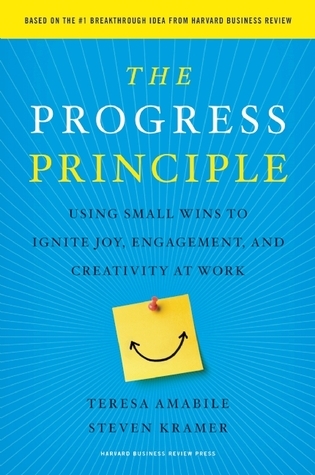
The Progress Principle
Teresa Amabile & Steven Kramer
Based on nearly 12,000 daily diary entries from workers across seven companies, the core finding is simple: forward momentum in meaningful work is the single biggest driver of motivation. The book shows managers how to remove obstacles and create the conditions for progress.
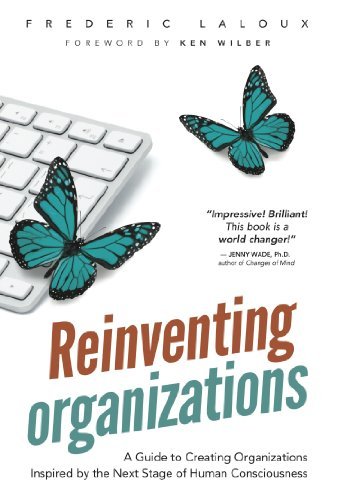
Reinventing Organizations
Frederic Laloux
A bold exploration of how organizations can evolve into self-managing, purpose-driven structures. Laloux calls them "Teal" organizations and makes the case that treating companies as living systems rather than machines unlocks deeper innovation and fulfillment.
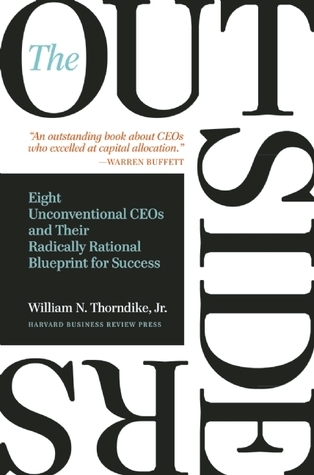
The Outsiders
William N. Thorndike Jr.
Eight unconventional CEOs who dramatically outperformed the market by focusing on capital allocation over charisma. The common thread: rational, independent thinking and a relentless focus on per-share value over growth for growth's sake.
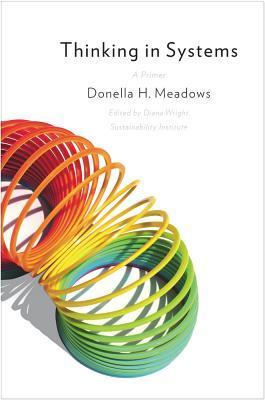
Thinking in Systems: A Primer
Donella H. Meadows
An essential primer on understanding complex systems through stocks, flows, and feedback loops. Meadows shows how systemic thinking can untangle problems that seem impossibly complex, from organizations to ecosystems.